What is Edge Computing?
The edge computing technology in action is a truly unique thing. When a car you are driving is cruising down the highway and suddenly, a pedestrian gets into the road, the car’s onboard system processes the information instantly and applies the brakes. This is a fast, efficient, and essential response for real-time decision-making; Edge technology works like this.
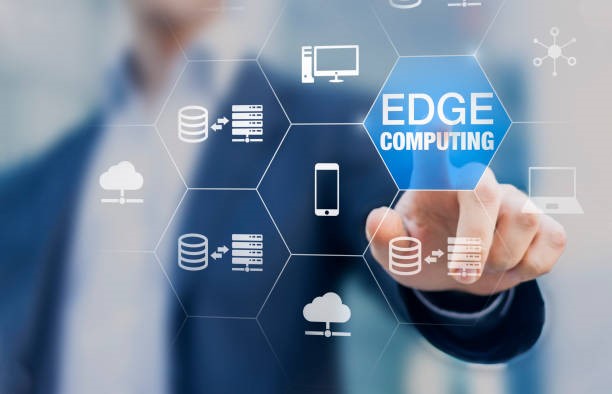
At its core, age computing is everywhere contrary to traditional cloud computing that relies on distant data centers. Edge computing makes it easier for devices to analyze and act on data locally; this means faster responses and less reliance on internet connectivity.
Fog And Edge Computing
In some cases, fog and edge computing work together in order to optimize performance. But remember, fog computing may provide an intermediary later that filters data before we end it to the cloud and distributed computing handles real-time processing at device level. The fog and edge computing approach could be significant in Cloud data analysis with massive amounts of data that needs to be processed. Also, Edge intelligence for IoT revolutionizes industries by allowing smart devices to act on data locally and enhance responsiveness in applications.
How Does it Work?
Data from devices or sensors is collected to be sent to a central cloud server for processing. Edge computing flips this model. It processes data closer to its source, be it a machine, device, or sensor. While cloud computing analytics traditionally handles the heavy lifting of data analysis in centralized servers, edge intelligence reduces delays by processing data locally.
This approach enhances efficiency and minimizes latency. As a result, the performance of data-driven applications is improved, allowing for faster insights and real-time decision-making.
Edge Computing in Action: Real-world Examples
Smart Factors
Such factors have sensors on production lines that analyze the performance of equipment and prevent expensive breakdowns.
Autonomous Vehicles
Cars can process sensor and camera data locally. This is to make immediate driving decisions like lane changes or braking.
Retail Analytics
Smart cameras examine customer movement in stores. They optimize inventory and improve overall customer experience.
Healthcare
Wearable monitors help track patient vitals. They also send instant alerts if there are irregularities detected.
Energy Grids
The power distribution is adjusted in real time by smart grids. This is to balance demand and also prevent outages.
Main Benefits of Edge Computing
The Delay is Minimized
Often, sending data to faraway cloud servers may cause delays. Edge processing eliminates this. Applications that require real-time processing like financial trading, etc. rely on this.
The Reliability Is Greater
Edge computing enables operations to run efficiently even in regions that have spotty internet service, such as isolated rigs or areas that have been hit by natural disasters. It does not rely on constant cloud connections.
With edge intelligence for IoT, data from IoT devices is processed locally, ensuring that critical operations continue even when cloud connectivity is intermittent or unavailable. This allows for greater resilience and autonomy in remote or disaster-affected areas.
Privacy and Security Both Are Enhanced
Edge computing keeps sensitive data on-site. Local data processing lessens the possibility of cyber risks and keeps data exposure to a minimum while in transit.
Better Bandwidth Utilization
By employing edge computing, data is filtered as well as processed locally before it is sent to the cloud. This prevents networks from being overwhelmed with excessive data uploads. This also reduces costs and improves network efficiency.
Applications Run in Real-Time
Edge computing offers the rapid response time that is ideal for industries which rely on split-second decisions like healthcare, autonomous vehicles, manufacturing etc.
Looking Forward
Thus, there are many benefits of edge computing such as better data processing capabilities, including intelligence, speed and security, and the positive influence on the development of new technologies in many fields like energy efficiency, autonomous vehicles and healthcare.